

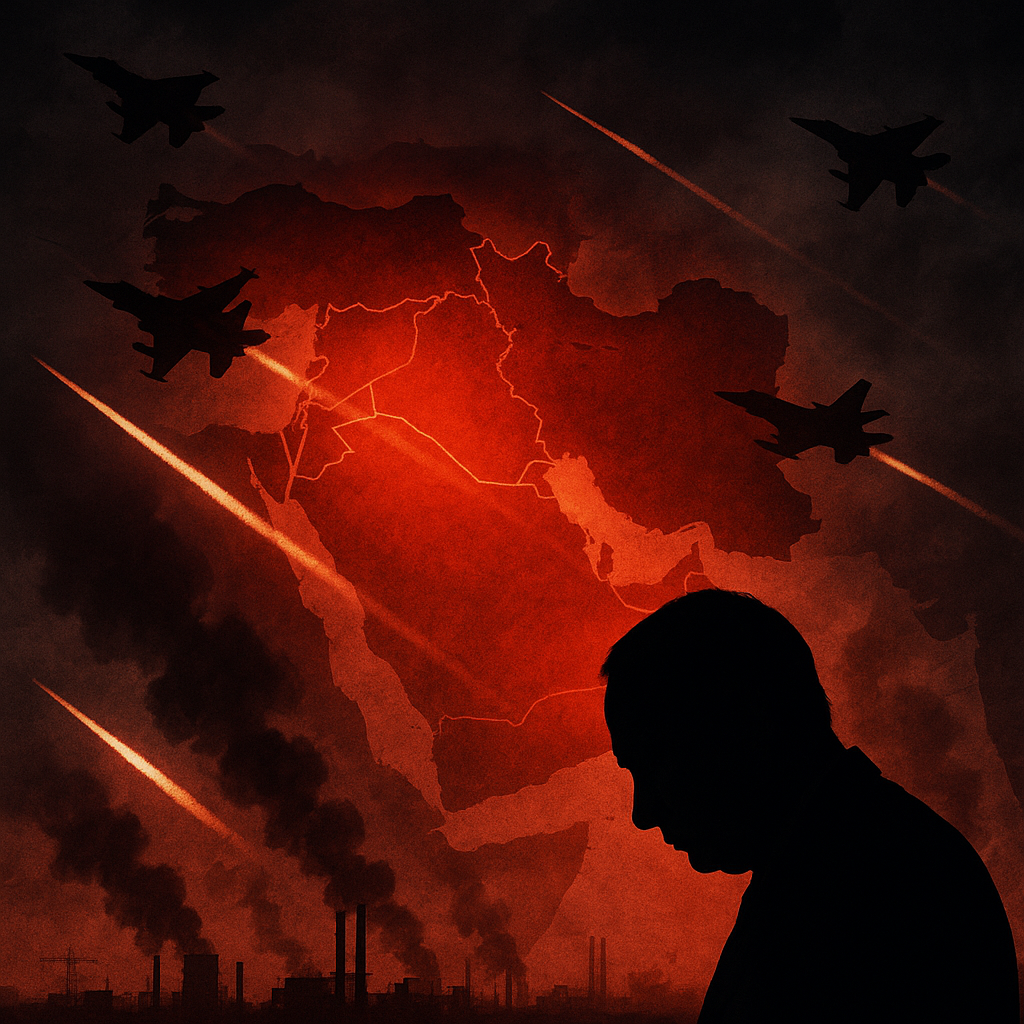
The Middle East is witnessing a dramatic and perilous escalation of conflict, marked by accusations of assassinations, direct military engagements, and attacks on critical infrastructure. Tensions have reached a fever pitch following Iran’s firm accusation against the United States and Israel for the killing of Ali Larijani, a senior adviser to Iran’s late Supreme Leader. This act, along with a deadly attack in Iran’s Dorud area that claimed 12 lives, has been widely condemned by China as “unacceptable.”
The conflict’s ripple effects are profoundly felt across the region. Kuwait and Saudi Arabia have reported drone attacks targeting oil refineries and other vital installations, while a U.S. military camp near Baghdad airport also came under drone assault. In a concerning development, Iranian missile fire is now linked to the deaths of three Palestinian women in the occupied West Bank and a foreign worker in central Israel, further highlighting the expanding human cost of the hostilities. Hezbollah has engaged Israeli ground troops in south Lebanon, claiming the destruction of Israeli Merkava tanks, indicating direct military clashes.
Internationally, the crisis is stirring alarm, with the Bank of Japan warning of escalating oil costs driving inflation, signaling potential global economic instability. Iran has escalated its diplomatic stance, seeking compensation from the United Arab Emirates, accusing it of facilitating U.S. attacks from its territory. Meanwhile, Iran’s Foreign Minister held urgent discussions with his counterparts from Pakistan, Turkey, and Egypt, emphasizing the need for regional vigilance and coordinated action against what Iran terms “U.S. and Zionist regime’s military aggression.” These developments collectively paint a grim picture of a region on the brink, with far-reaching implications for global security and economic stability.


