

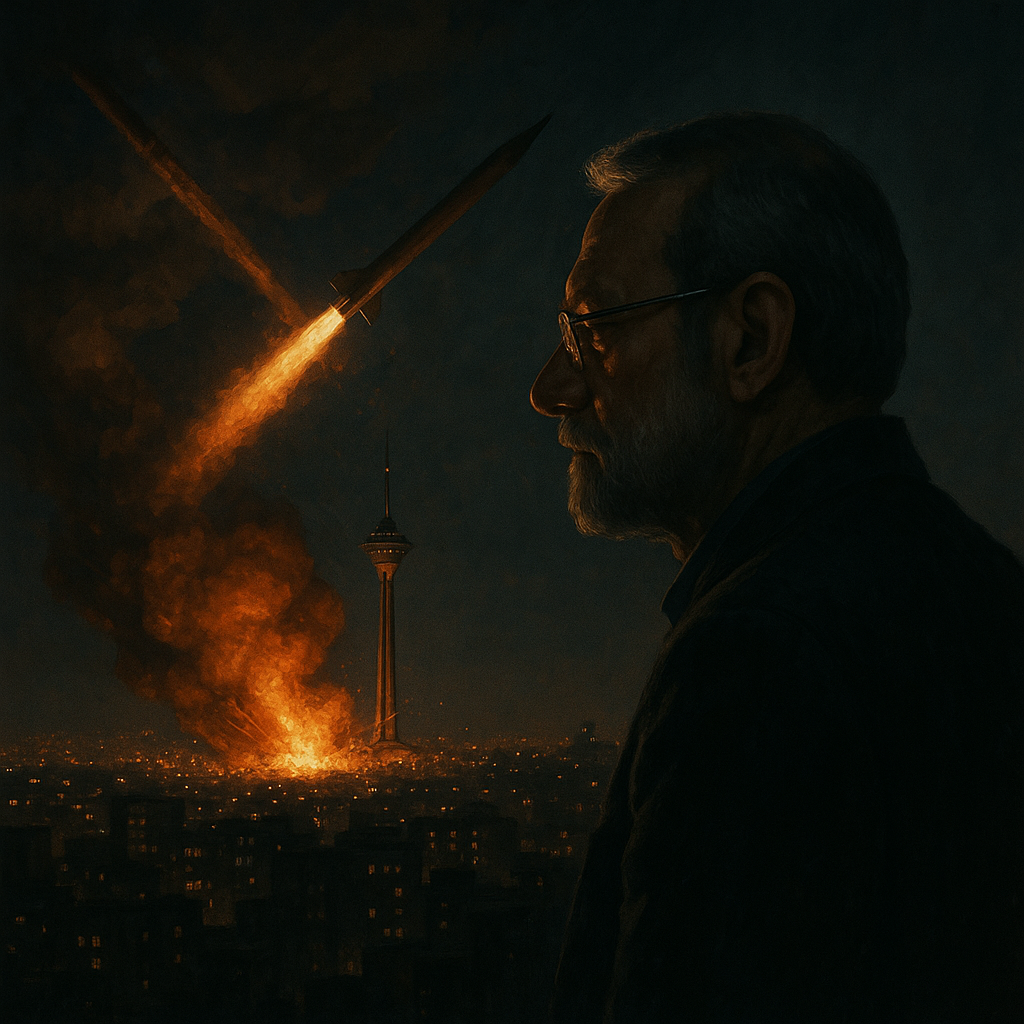
The geopolitical landscape of the Middle East has been dramatically altered by the alleged assassination of Ali Larijani, a senior adviser to Iran’s late Supreme Leader Ayatollah Ali Khamenei. Iran’s semi-official Fars news agency reported on Tuesday that Larijani, 67, was killed in Tehran by a joint U.S.-Israeli air attack. This development marks a severe escalation of tensions in an already volatile region.
* **Reuters:** Broke the news on Tuesday, citing Iran’s semi-official Fars news agency.
* **Associated Press:** (Likely to report on official statements from US/Israel, denials, or confirmations, and the broader implications for regional stability)
* **Al Jazeera:** (Expected to cover the regional reaction, potential for retaliation, and Iran’s internal response)
* **The New York Times:** (Will likely offer in-depth analysis of the intelligence leading to the strike, the strategic rationale, and its impact on the nuclear deal discussions)
The reported strike and Larijani’s death are expected to trigger significant diplomatic fallout and potentially lead to retaliatory actions, further destabilizing global energy markets and international relations. Ali Larijani was a prominent figure, having served as Parliament Speaker and a key negotiator in various international contexts. His death is a profound blow to Iran’s political establishment and could reshape its strategic calculus.


