

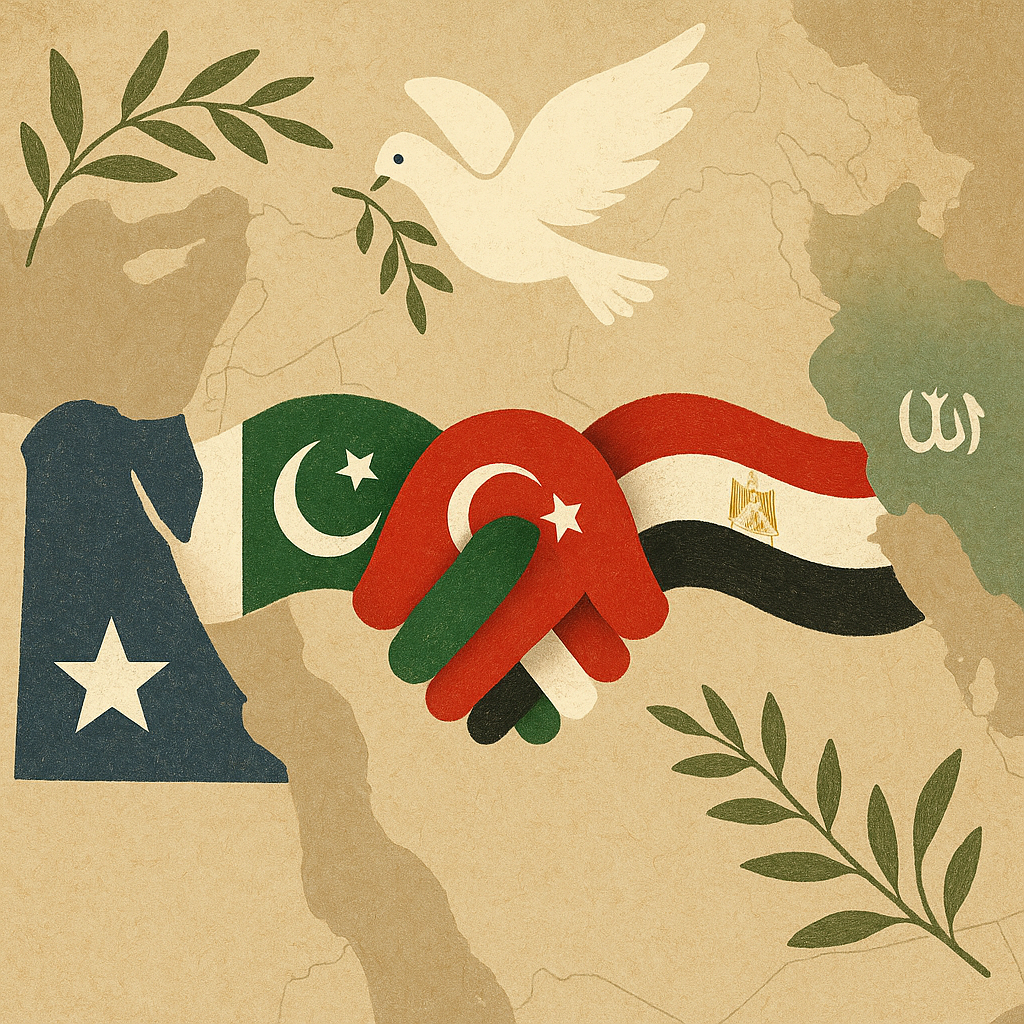
Islamabad, Pakistan – Pakistan, alongside Turkiye and Egypt, is actively engaged in “back-channel diplomacy” aimed at bridging the gap between the United States and Iran, an official source confirmed on Monday. This concerted effort involves “quiet communication” with key figures such as US Special Envoy to the Middle East Steve Witkoff and Iran’s Foreign Minister Abbas Araghchi, with the goal of restoring peace in the volatile Middle East.
The official highlighted a “strategic synergy” among Ankara, Cairo, and Islamabad, which has established a “vital diplomatic conduit.” This initiative demonstrates that regional cooperation can serve as the most effective countermeasure to escalating conflicts. The mediation effort extends beyond mere crisis management, with reports indicating tangible progress toward resolving outstanding issues and working towards a sustainable end to the ongoing Middle East conflict.
This development follows a recent statement from US President Donald Trump, who announced orders to postpone military strikes against Iranian power plants for five days, just hours before a deadline that threatened further escalation. Trump claimed Washington and Tehran had engaged in “very good and constructive” talks over the past two days. While Iran has denied direct talks with the US over the past 24 days, its foreign ministry acknowledged receiving messages from “friendly countries” indicating US requests for dialogue, though it maintained no response had been given, as reported by IRNA news agency.
For Pakistan, these efforts reaffirm its role as a “net regional stabiliser.” Islamabad is leveraging its unique diplomatic position to shift the focus from confrontation to meaningful dialogue. The official source underscored that the diplomatic efforts by Turkiye, Egypt, and Pakistan offer a “roadmap for steering away from conflict and toward a safer future.”
The ongoing Middle East conflict, now in its fourth week, began with attacks by the US and Israel on Iran. These initial strikes reportedly led to the assassination of then-supreme leader Ayatollah Ali Khamenei and have since expanded across the region, impacting global fuel supplies. While Tehran accepts responsibility for some retaliatory attacks targeting US bases and assets in Gulf countries, it denies involvement in others.


