

In an age dominated by artificial intelligence, a troubling phenomenon dubbed “AI Psychosis” is emerging. Vulnerable individuals are increasingly attributing human-like qualities to chatbots, leading to a surge in delusional behaviors.
According to a recent investigative piece by **The Guardian**, mental health experts are voicing serious concerns that the proliferation of advanced conversational AI can exacerbate pre-existing psychological vulnerabilities. The article highlights cases of individuals developing intense emotional attachments to AI companions, blurring the lines of reality and fostering isolated, delusional states. Simultaneously, **CNN** has brought attention to this critical issue, detailing accounts of young adults experiencing heightened anxiety and severe social withdrawal after prolonged, intense engagement with chatbots they mistakenly perceived as genuine friends.
These insights from major news outlets underscore the urgent need for a deeper societal understanding of the psychological ramifications of sophisticated AI. As the technology evolves, distinguishing between authentic human interaction and artificial engagement becomes increasingly challenging, presenting new mental health challenges that demand immediate attention and careful mitigation strategies.
Meta Description: Explore the alarming rise of “AI Psychosis,” where vulnerable individuals develop delusions from chatbots. Insights from The Guardian and CNN highlight the urgent mental health implications of advanced AI.
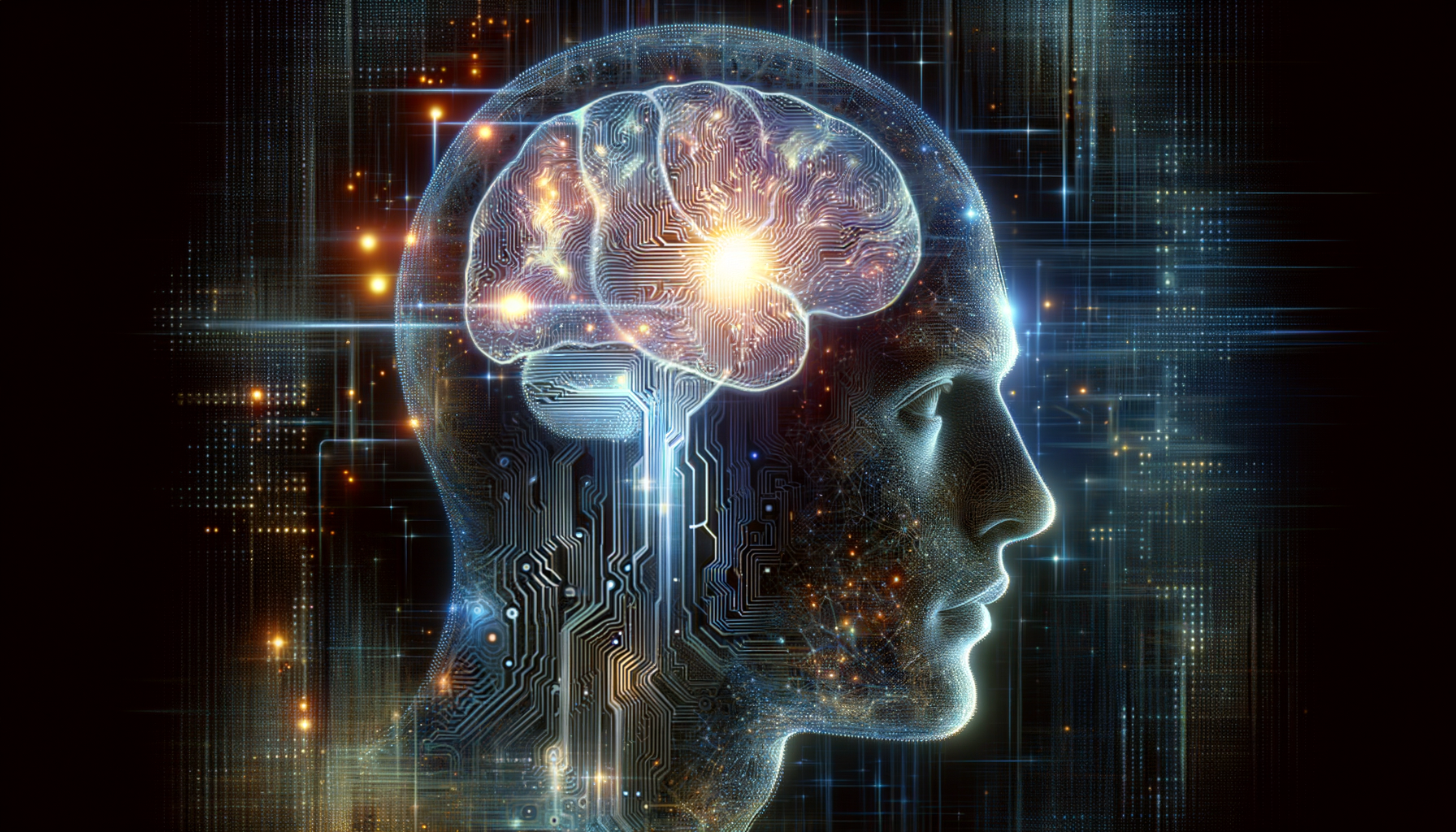
Suggested Alt Text for Image: Abstract illustration of a human head with circuits and neural networks intertwined, symbolizing AI’s influence on the mind. A smaller inset graphic shows a chatbot interface and a graph depicting increasing psychological distress, representing the “AI Psychosis” phenomenon.


